
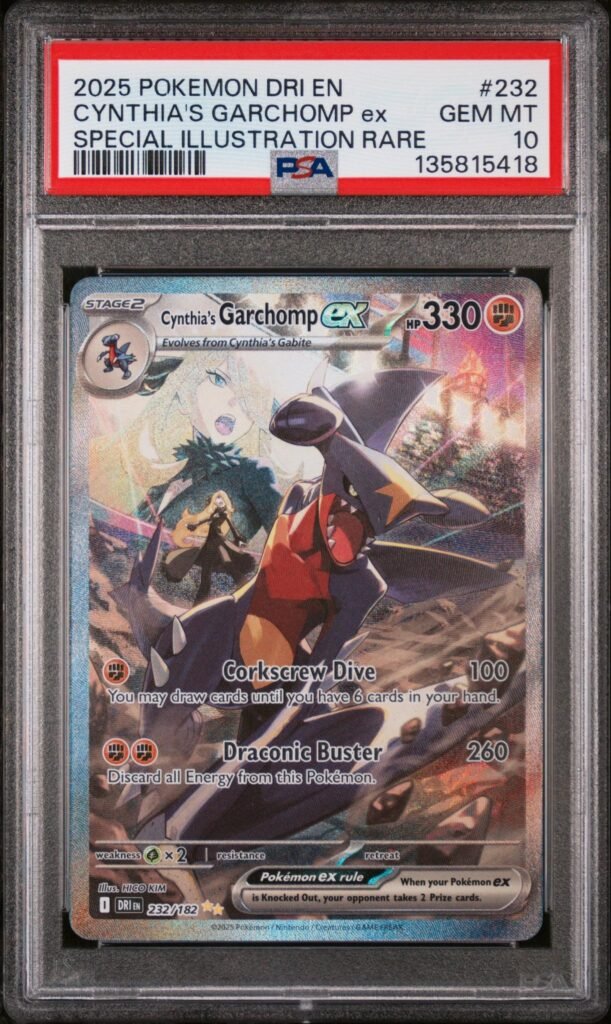
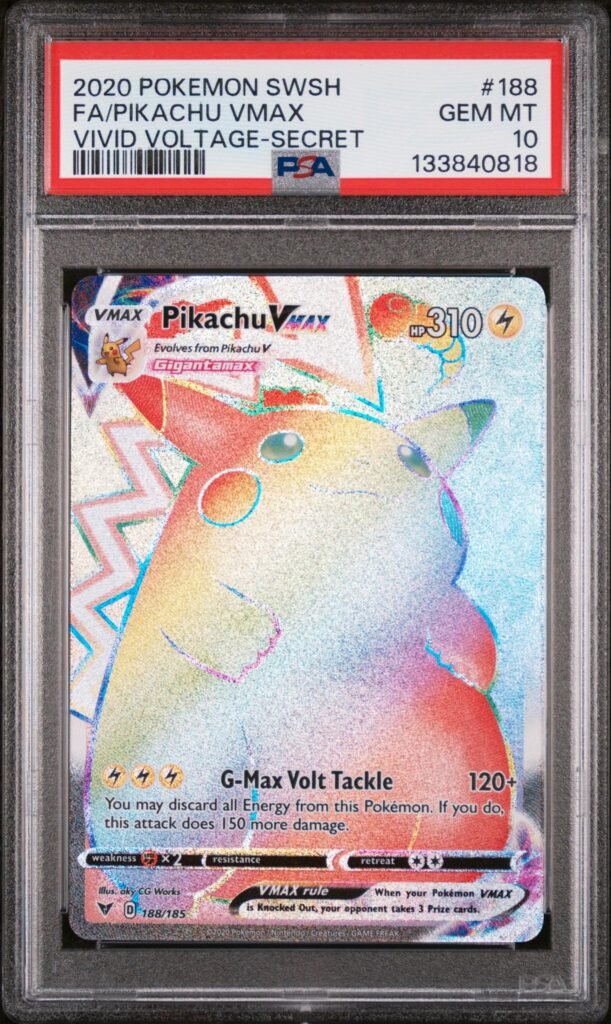
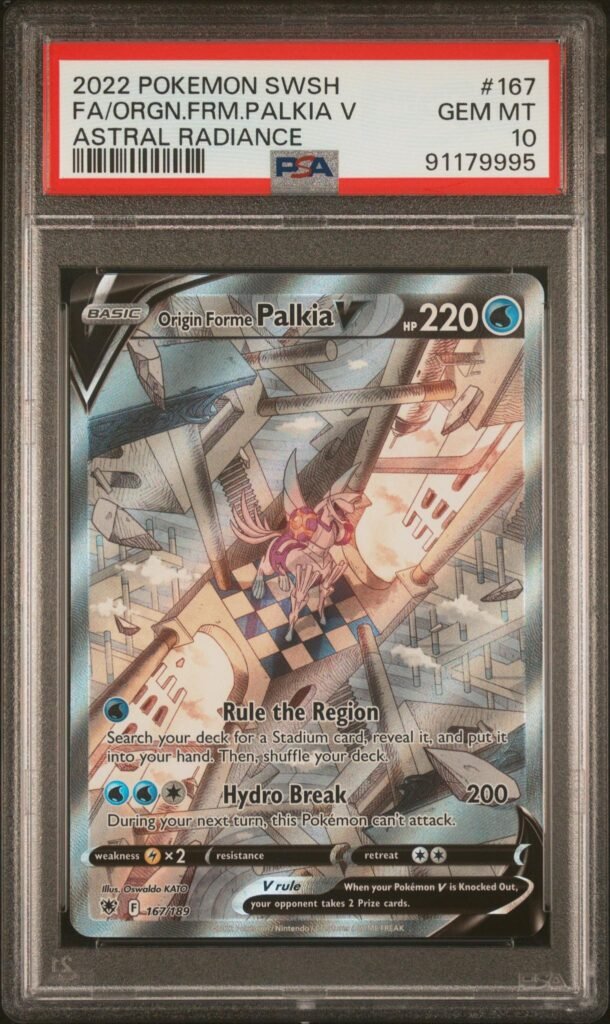
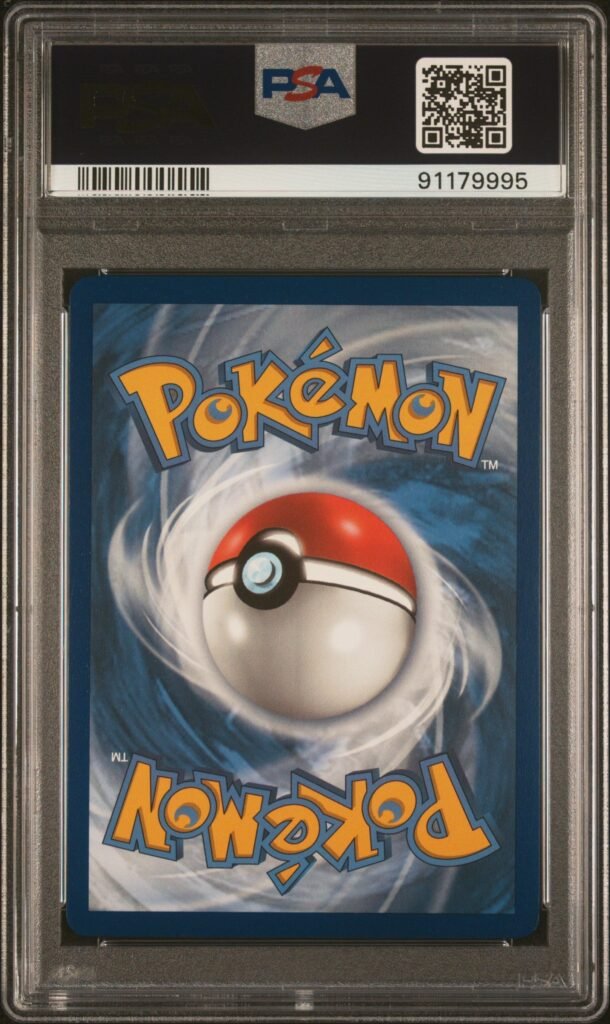
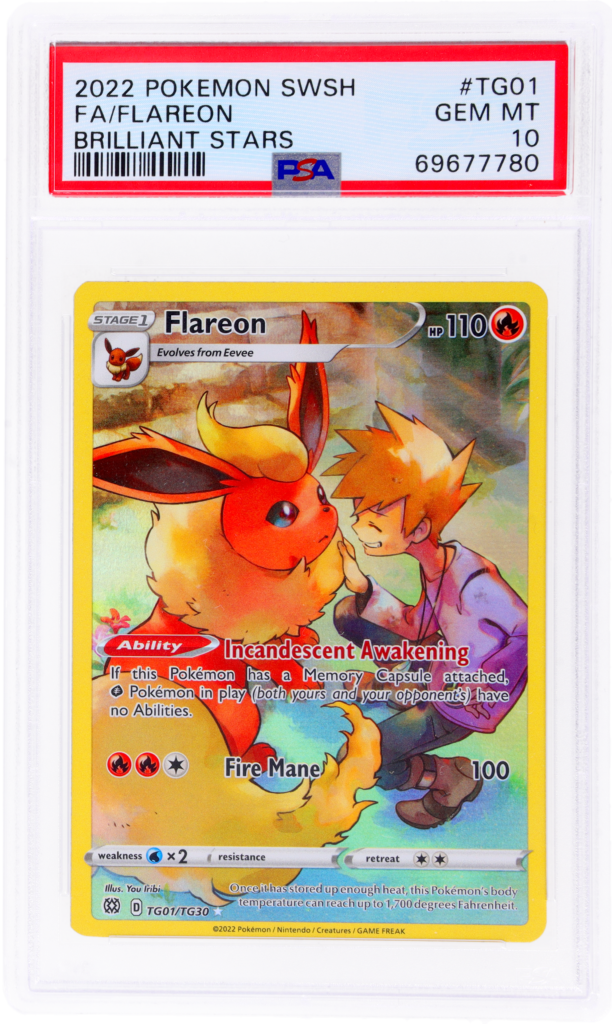
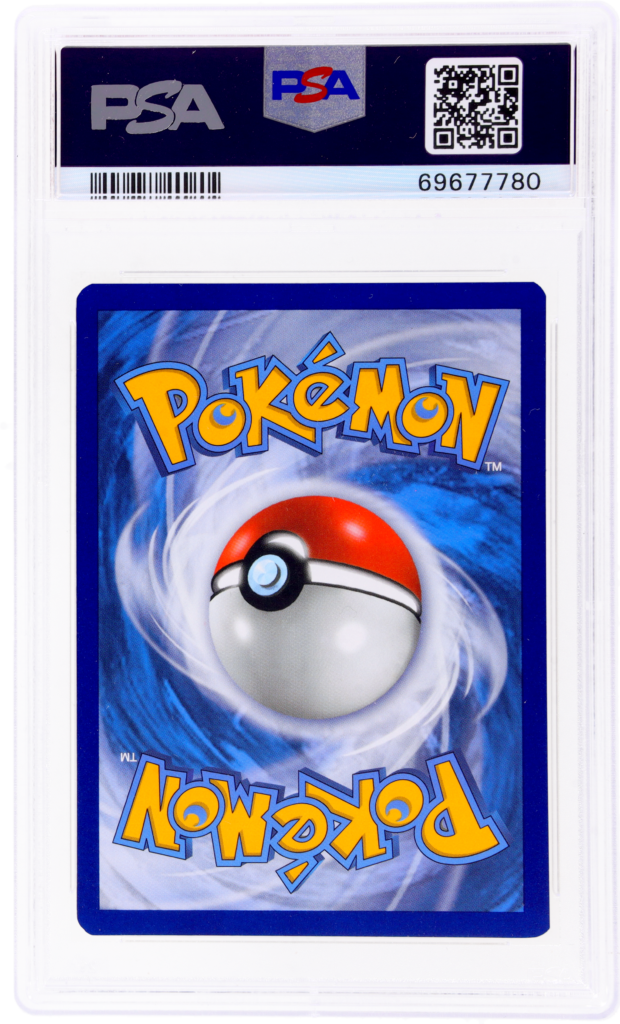
For a casual hobbyist, a rare card is a trophy; for a legacy collector, that same card is a high-stakes financial asset. In the elite trading card market, the difference between a "Near Mint" 7 and a "Gem Mint" 10 can represent thousands of dollars in market value. When building a collection intended to last decades, your philosophy must shift: condition is not a variable; it is the entire value proposition.
The Semantic Value of Authentication
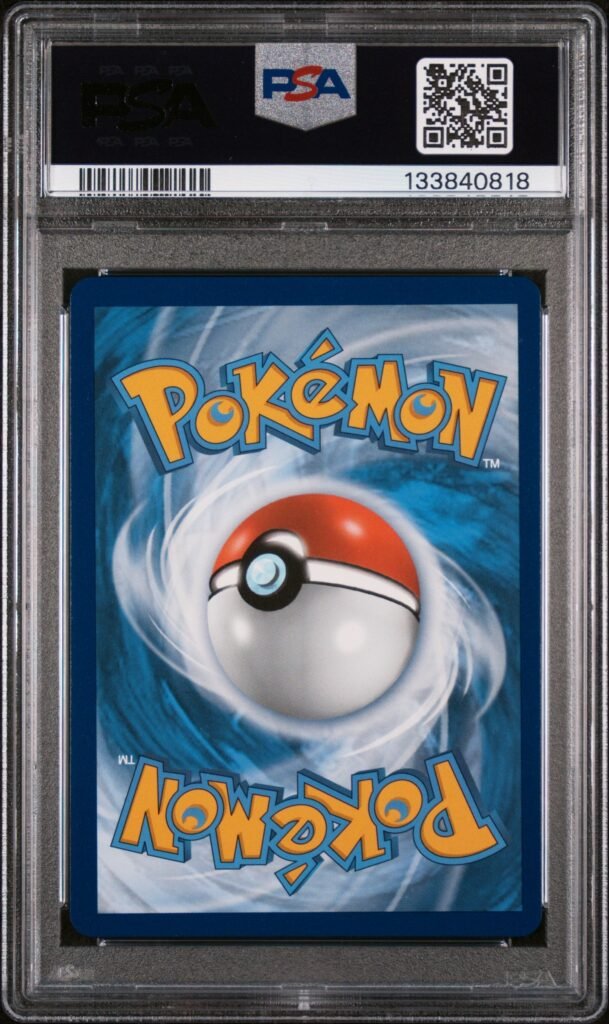
In high-end investing, condition serves as the ultimate proof of scarcity and provenance. A raw card in a binder carries inherent risk and market ambiguity. Conversely, a card graded by a reputable third-party service like PSA or BGS acts as a verified historical document. The tamper-proof "slab" provides universally understood evidence that the item has survived the years in an idealized state. This certification removes the guesswork, creating a standardized "condition vocabulary" that global investors trust.
Mastering the Micro-Grade Entities
To build a legacy, you must look beyond the artwork and master the technical metrics that define a "Pristine" masterpiece:
Centering: This requires the illustration to be perfectly positioned within the borders. Even a spotless card may fail to hit a 10 grade if the factory cut is off-balance.
Surface Integrity: Experts utilize magnification to check for "invisible" enemies like print lines, wax stains, or micro-scratches that the naked eye might miss.
Edges and Corners: A single speck of "whitening" on a corner or a micro-crease on an edge can disqualify a card from top-tier status.
The Population Report Strategy
True legacy collecting requires an understanding of relative scarcity. Grading companies provide Population (Pop) Reports, which list exactly how many copies of a card exist in a specific grade. A card might have 10,000 total copies, but if only five have achieved a "Gem Mint 10," that 10 becomes exponentially more valuable. Your goal is to acquire condition that is not just perfect, but statistically rare.
Professional Preservation Infrastructure
Accepting that condition is everything means committing to a museum-grade environment:
Climate Control: Cardboard is organic; extreme humidity causes "warping," while dryness makes fibers brittle. Store assets at roughly 50% relative humidity.
UV Protection: Sunlight is the primary enemy of vibrant holographic foils. Even inside a slab, cards should be kept in dark, temperature-stable environments to prevent irreversible fading.
Handling Protocols: Use lint-free gloves for raw cards and fitted "slab sleeves" to keep the plastic holders scratch-free.
Conclusion
Building a legacy is an exercise in extreme discipline. By rejecting commonality and refusing to accept the defects that casual buyers ignore, you are doing more than just collecting—you are curating history.