
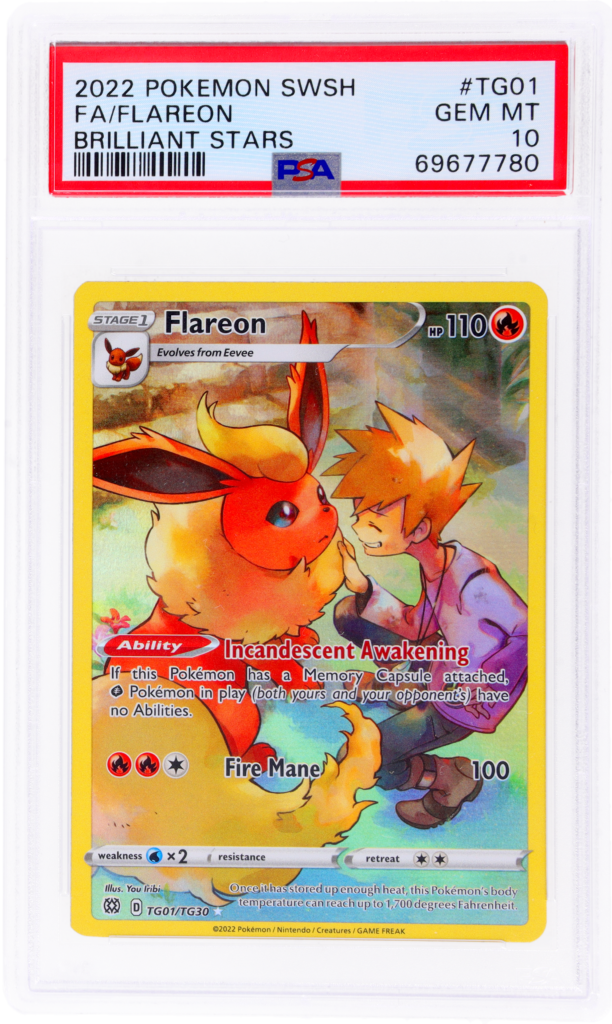
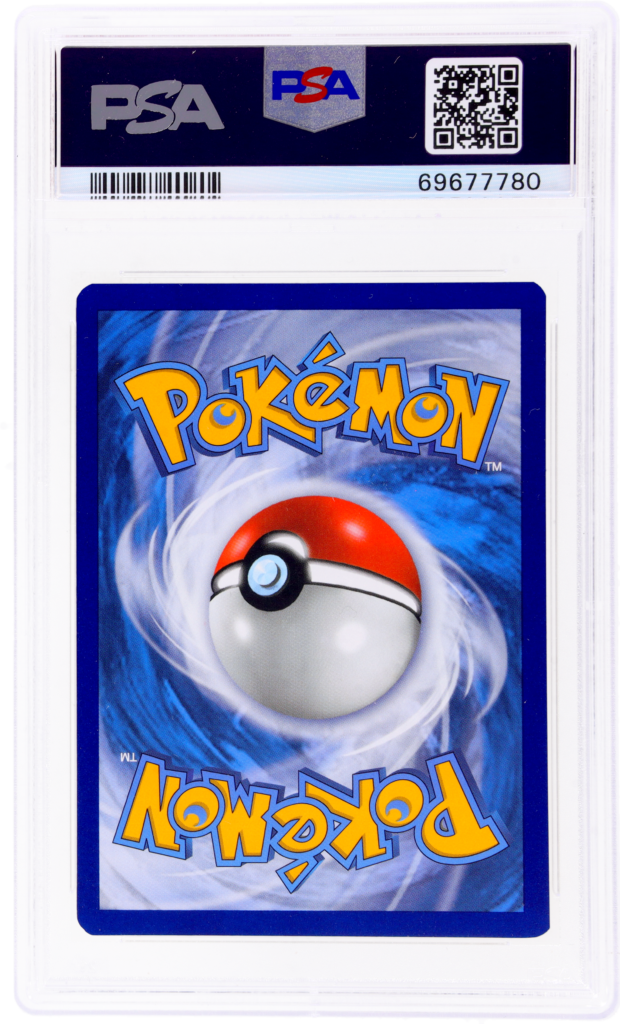
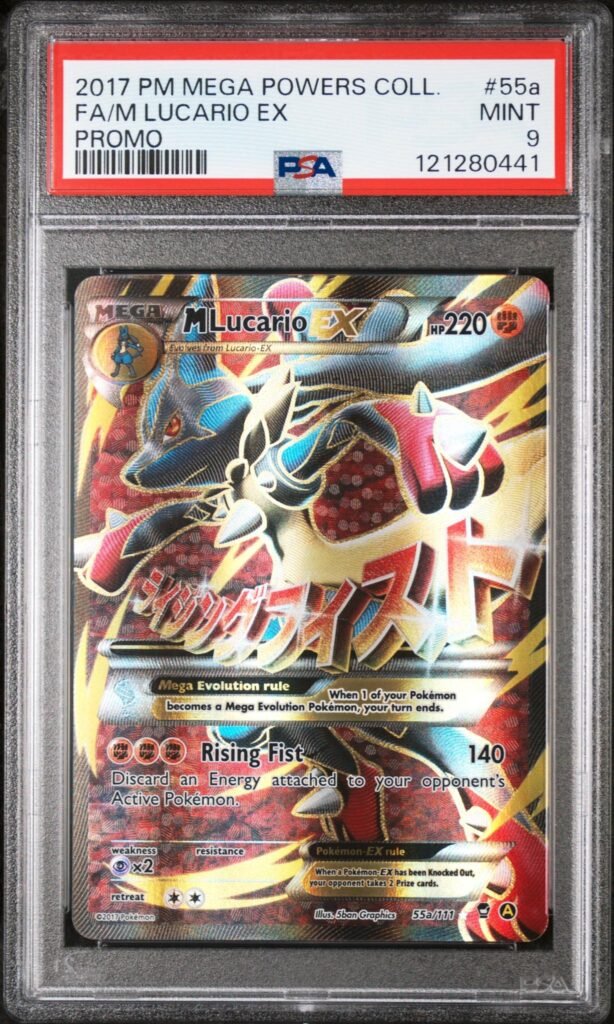
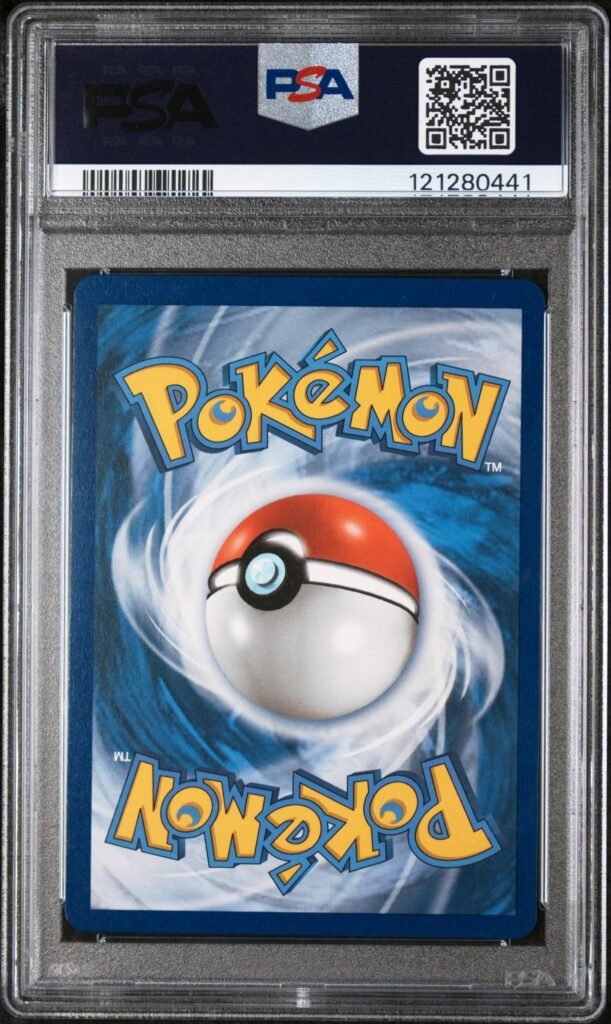
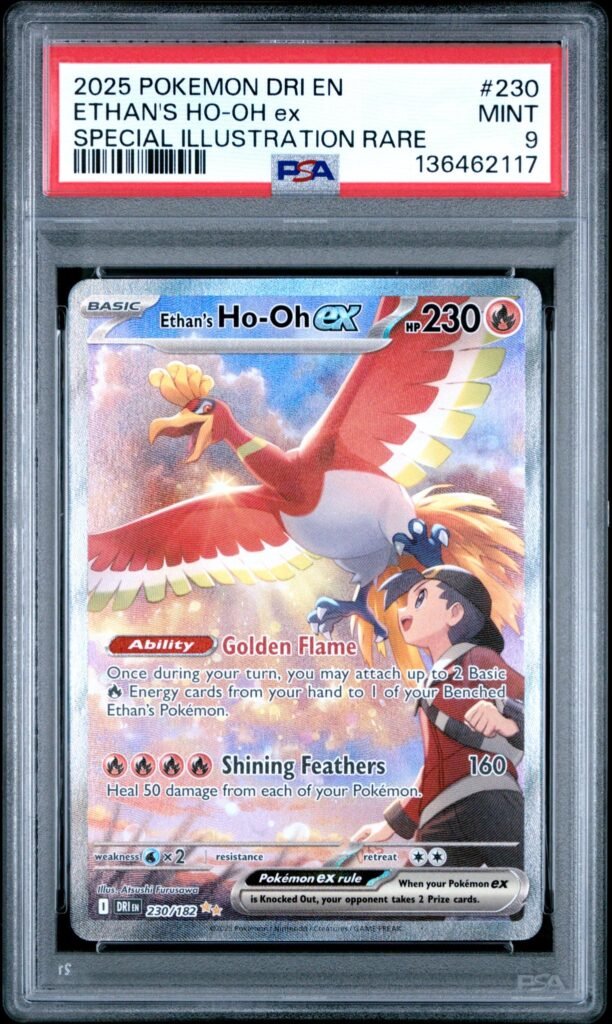
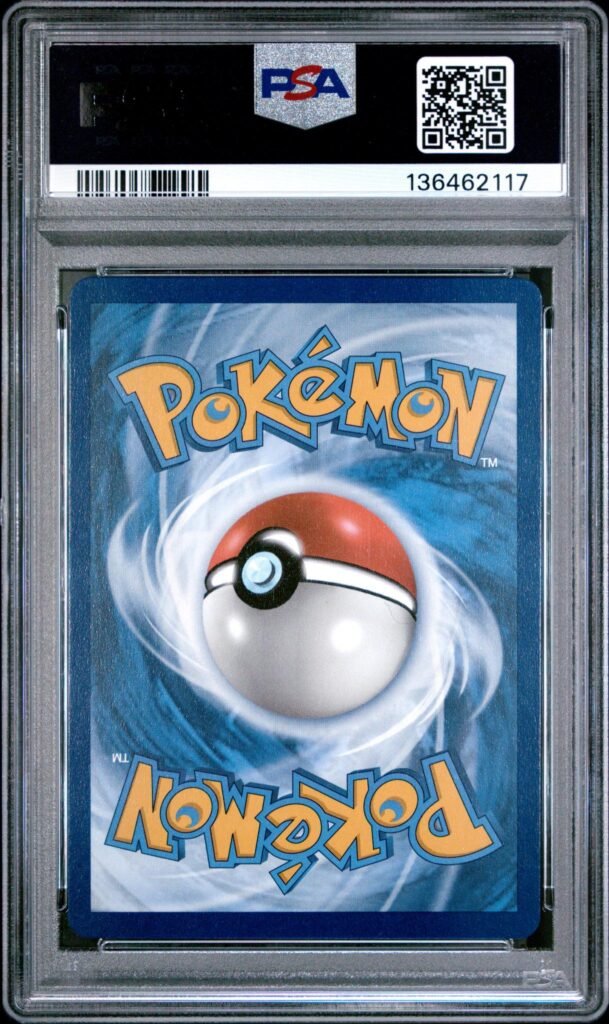
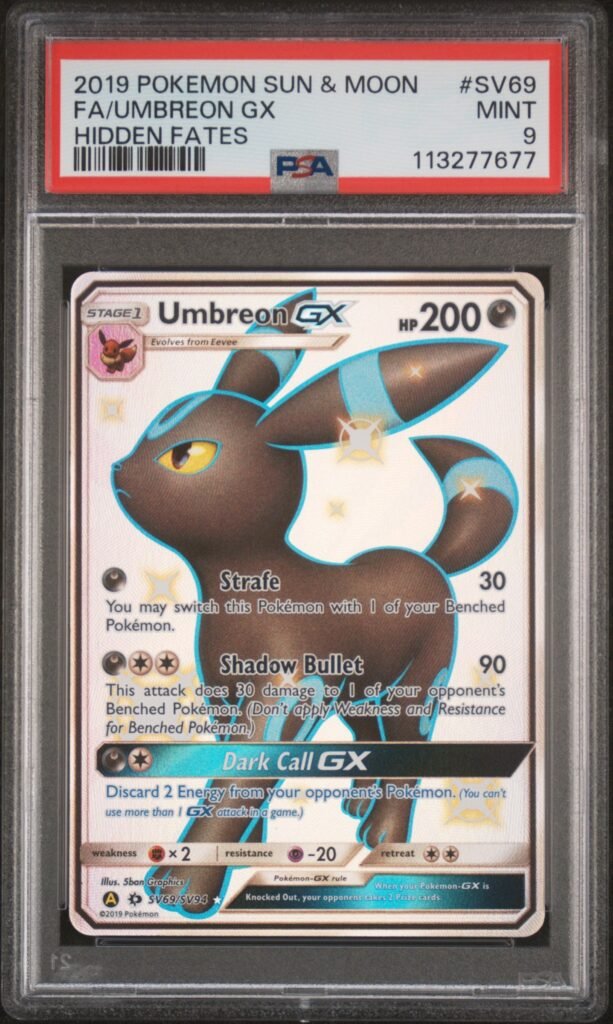
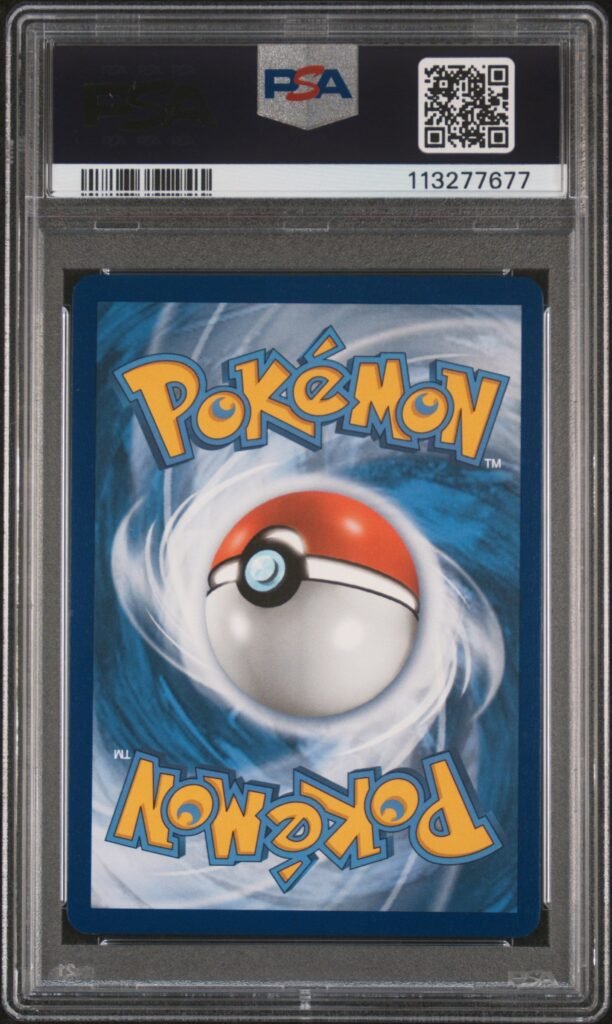
The Gold Standard for Card Authentication
For any serious collector, the letters PSA represent the peak of market authority. Professional Sports Authenticator (PSA) is the world’s largest and most respected third-party grading service, providing a universal standard for assessing the condition and authenticity of trading cards.
Understanding the PSA grading process is essential for anyone looking to transition from a casual hobbyist to a legacy collector.
The Core Entities of PSA Grading
To understand how PSA influences the Knowledge Graph of the collectibles market, you must recognize the three pillars of their service:
Authentication: PSA experts utilize advanced technology to verify that a card is genuine and has not been altered, trimmed, or recolored.
Grading: Each card is evaluated on a numeric scale from 1 to 10 based on physical condition.
Encapsulation: Once graded, the card is sealed in a tamper-evident, sonically welded "slab" that protects it from environmental damage.
The PSA 1-10 Grading Scale
The most critical semantic metric in the hobby is the numeric grade. While the scale covers ten levels, legacy collectors focus on the "high-grade" spectrum:
Gem Mint 10: A practically perfect card with four sharp corners, sharp focus, and full original gloss.
Mint 9: A superb condition card that may have a single minor flaw, such as a slight off-center cut or a microscopic surface tick.
Near Mint-Mint 8: A high-end card that appears Mint to the naked eye but reveals slight fraying or wax staining under magnification.
Why PSA Grading Dictates Market Value
In the world of collectible assets, a PSA grade is a multiplier for value. Because the condition is verified by an impartial third party, it removes the "trust gap" between buyers and sellers.
Furthermore, PSA maintains a Population Report, a public database showing exactly how many copies of a card exist in each grade. This data allows investors to track relative scarcity—for example, if a specific holographic card is notoriously difficult to find in a Gem Mint 10, the "Pop 1" or "Low Pop" status can drive the price into the tens of thousands.
Protecting Your Investment
Beyond the financial gains, PSA grading is about preservation. The archival-grade plastic used in PSA slabs is UV-resistant and provides a physical barrier against humidity and handling wear. For those building a legacy collection, "slabbing" a card is the only way to ensure its condition remains frozen in time for future generations.
Conclusion
PSA grading is the bridge between a simple piece of cardboard and a certified, liquid asset. By providing a standardized vocabulary for condition and a secure method for preservation, PSA has defined the modern era of professional collecting.