The Case for Pokémon Cards as an Asset Class
In the modern financial landscape, the question "Is the value proven?" has moved from skepticism to data-driven confirmation. For a legacy card collection, the transition of Pokémon cards from a childhood hobby to a certified alternative asset is backed by decades of auction history, market liquidity, and third-party validation.
To understand why the value is proven, we must look at the semantic pillars that support the high-end collectibles market.
1. Historical Price Appreciation (The Data Track Record)
The most objective proof of value lies in the historical CAGR (Compound Annual Growth Rate) of blue-chip Pokémon assets. Since the late 1990s, original "Base Set" 1st Edition holographic cards in PSA 10 condition have outperformed many traditional stock market indices.
The Trend: Rare vintage grails that sold for hundreds in the early 2000s now command six-figure prices at major auction houses like Heritage and Sotheby's.
The Proof: This isn't just "hype"; it is a established 25-year upward trajectory that survived multiple global economic shifts, proving the market's resilience.
2. The Role of Third-Party Grading (TPA)
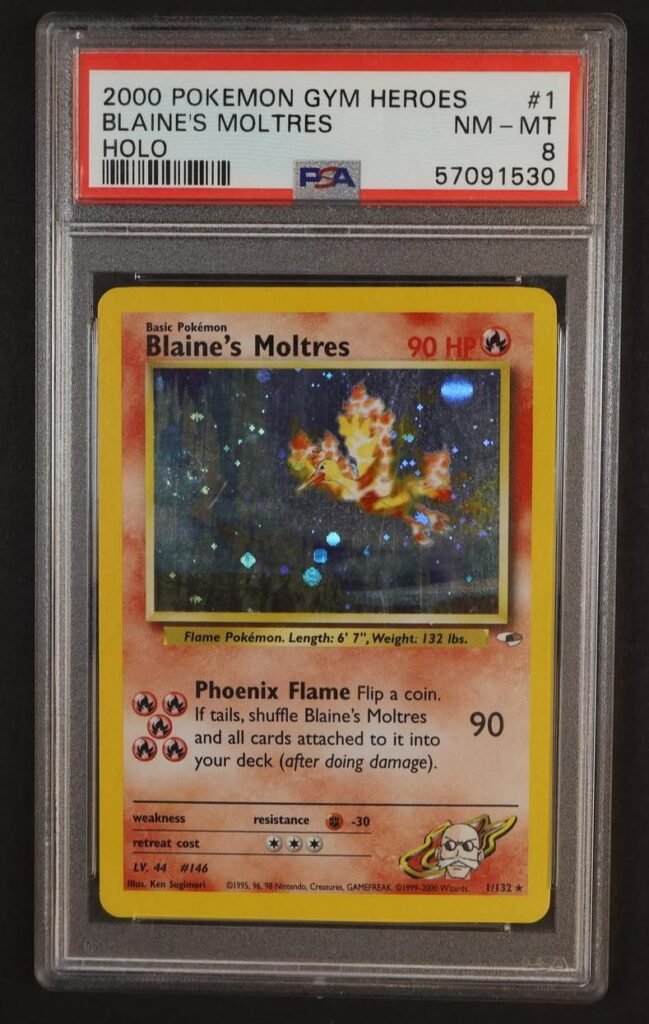
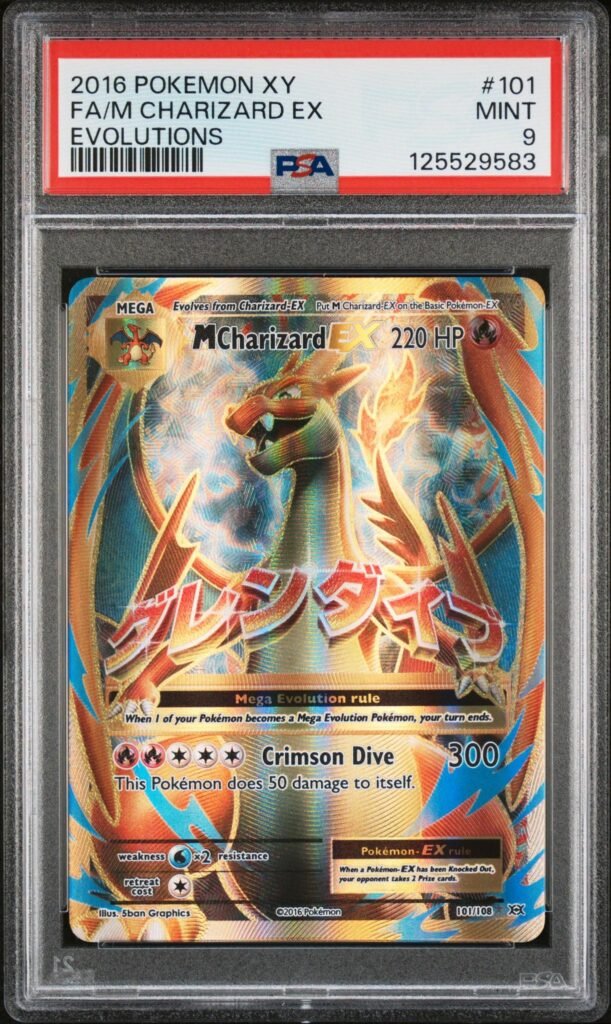
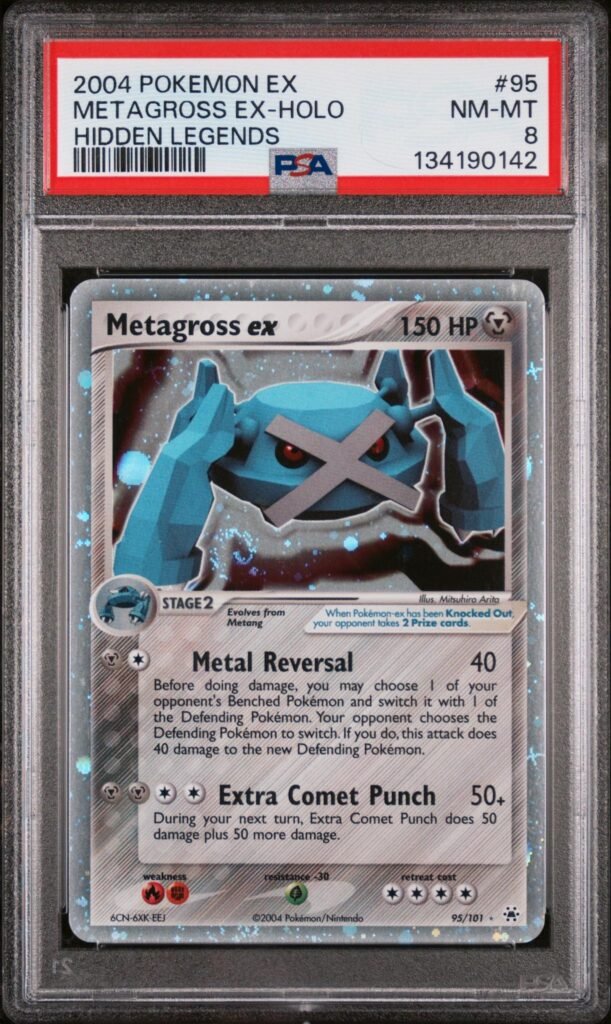
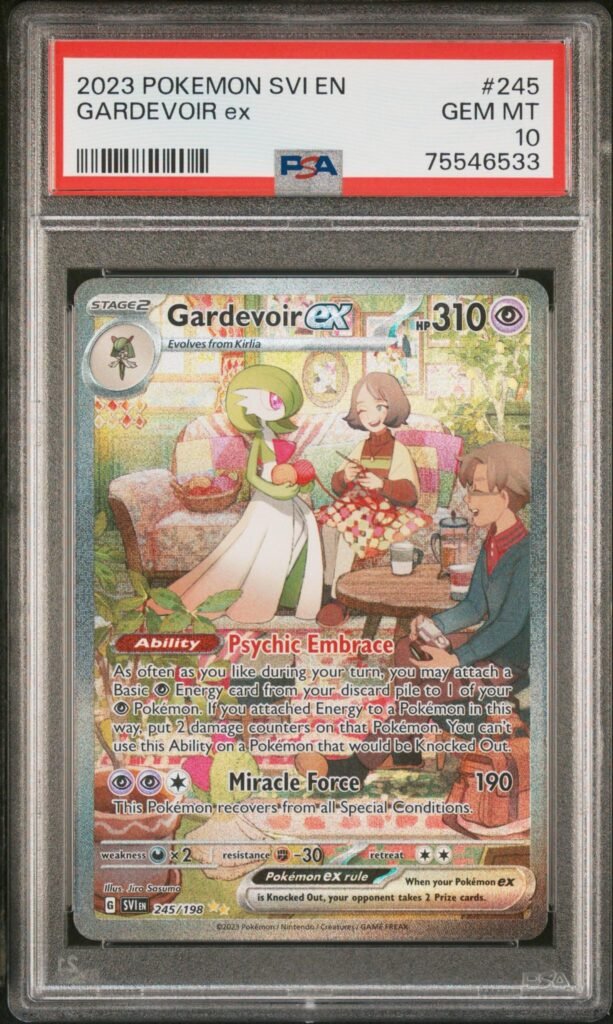
Value is only "proven" when it is standardized. Before companies like PSA and BGS, card condition was subjective. Today, the "slabbed" grade creates a liquid, tradable commodity.
Authentication: By eliminating the risk of counterfeits or alterations, grading services provide the "Trust Layer" required for high-capital investments.
Liquidity: A PSA 10 Charizard has a "real-time" market price. You can check realized auction prices (sold data) globally, making it nearly as liquid as certain precious metals.
3. Scarcity Through Population Reports
In economics, value is a function of scarcity. Pokémon's value is proven through transparent supply data.
Population (Pop) Reports: Collectors can see exactly how many Gem Mint copies exist of a specific card. If a card is "Pop 1" or "Low Pop," the value is mathematically supported by its extreme rarity relative to global demand.
Diminishing Supply: As vintage booster packs are opened and cards are lost to time or damage, the supply of "Pristine" specimens can only decrease, protecting the floor price of existing high-grade assets.
4. Cultural Significance and "Generational Wealth"
Value is also proven by the demographics of the buyer. The children who played with these cards in the 90s are now high-earning professionals, and they are entering their peak spending years.
The "Nostalgia Floor": Unlike speculative digital assets, Pokémon has a massive, physical, and global fan base. This cultural "moat" ensures that there will always be a secondary market of passionate collectors.